
🧒Translating Maya Mathematical Heritage into Educational Experience
Participatory Design Research with Children
Extract
As a Learning Experience Designer & Researcher at the Instituto de Física, UNAM, I designed and validated innovative educational materials for teaching mathematics through the Maya numerical system, under the mentorship of Dr. Luis Fernando Magaña Solís.
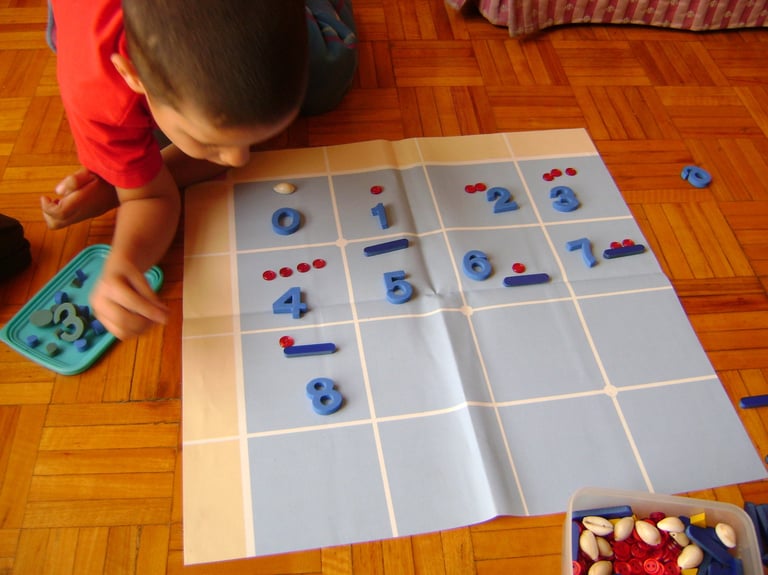
I completed over 120 hours of intensive training in the Maya mathematical methodology (adapted from base-20 to base-10), which included 20 hours of methodology training and 100 hours dedicated to designing diagrams and graphics for the manual.
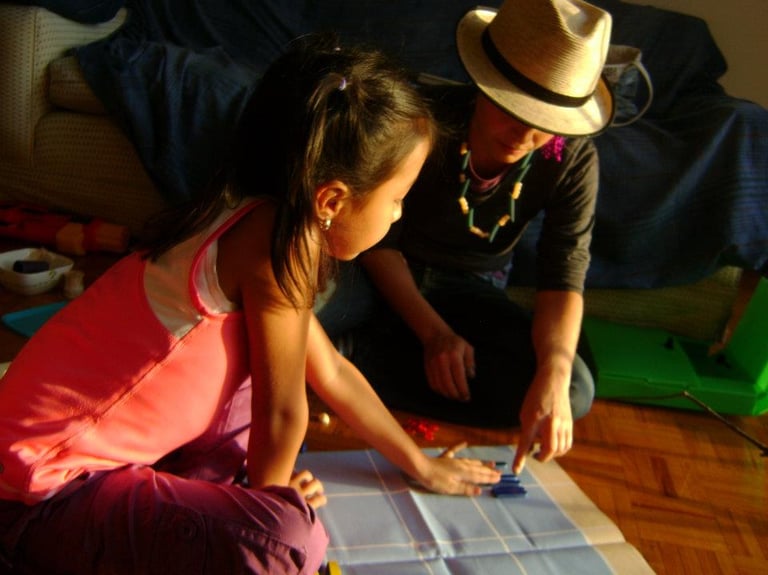
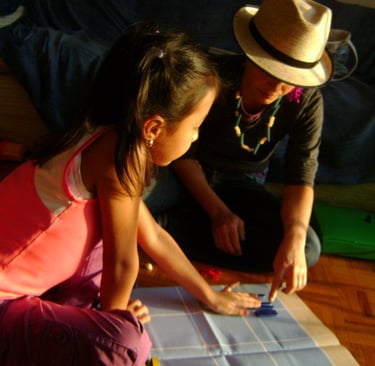
I applied child-centered design principles to create a manipulative Maya abacus with modular components.

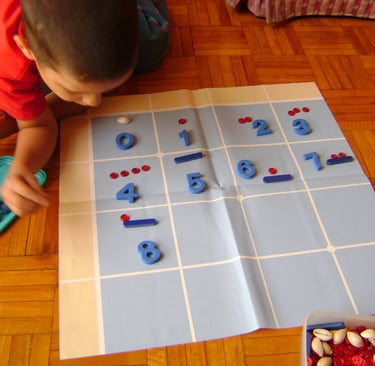
Mayan Math in Classrooms: An Ancient Tool for Modern Critical Thinking
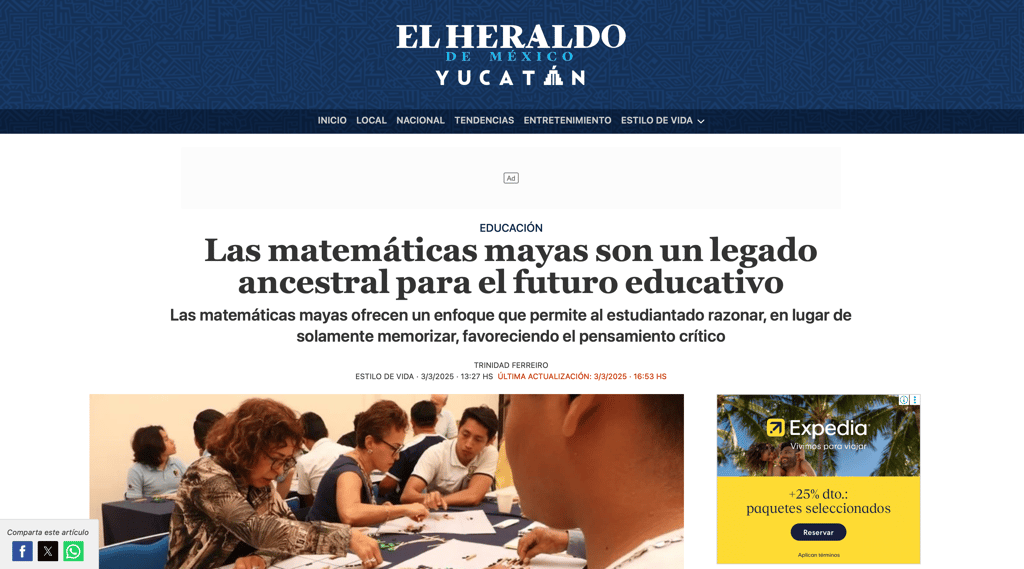
Mexico's Ministry of Public Education (SEP) is exploring the inclusion of Mayan mathematics in the national curriculum. Experts highlight its visual, base-20 system as a pedagogical methodology that complements and adapts to the modern decimal system. Rather than replacing it, Mayan mathematics strengthens numerical understanding by promoting logical reasoning, pattern recognition, and conceptual thinking over rote memorization.
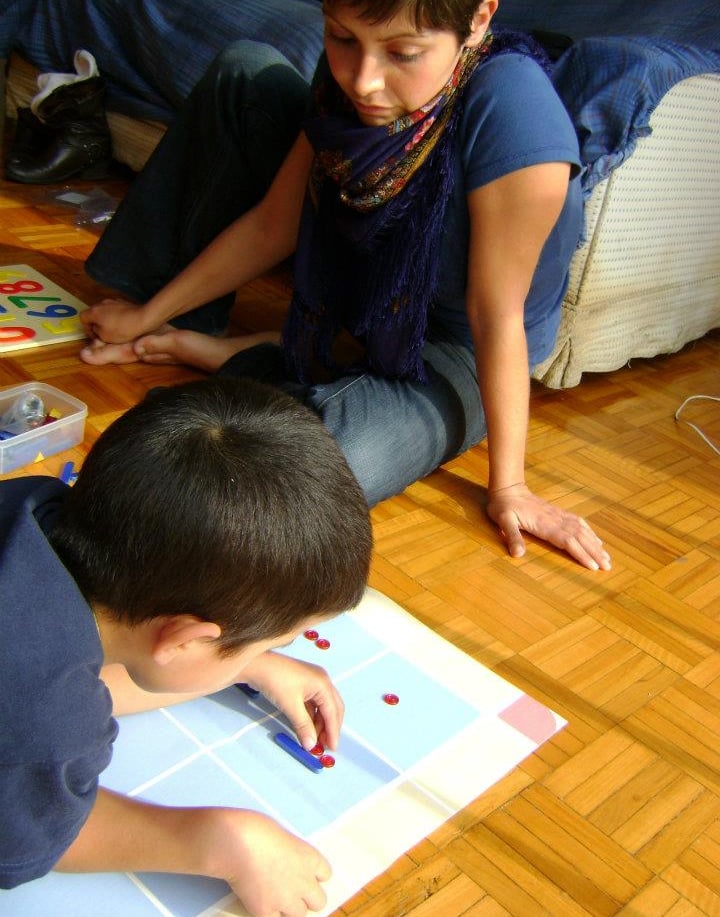
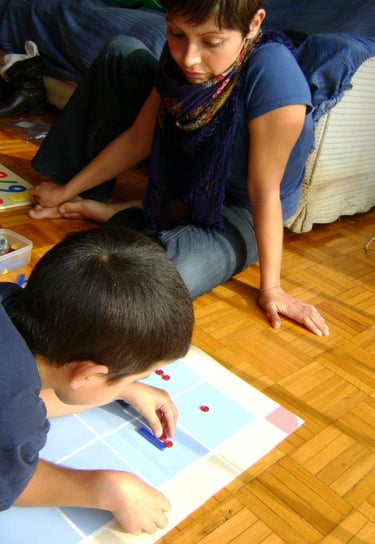
🧩 Through iterative usability testing with four children (ages 6–12) , I conducted observational research that validated improvements in conceptual understanding, logical reasoning, and the accessibility of abstract mathematical concepts.
I facilitated four public workshops during UNAM's "Feria de las Estrellas," reaching over +200 participants and testing the materials in real-world educational settings with diverse audiences. I synthesized direct feedback from children and the general public to inform successive design iterations, ensuring the materials' effectiveness across age groups (6–80 years) and learning contexts.
By combining rigorous methodological training with participatory design and iterative prototyping (four versions, from low to high fidelity), I created scalable educational materials validated for ergonomics, durability, and portability.
📰 This methodology is currently in active use in Maya regions of Mexico and has been officially recognized by the Secretariat of Public Education (SEP) as a pedagogical resource of significant ludic and methodological value. This recognition includes the diagram design for the official learning manual published by the SEP in 2012, titled "Sayab: Para aprender matemáticas, matemáticas mayas" (Sayab: Learning Mayan Mathematics) .
This project demonstrates my ability to translate complex theoretical knowledge into accessible learning experiences, conduct child-centered UX research, and deliver culturally rooted educational innovation that preserves Mayan intellectual heritage while meeting contemporary pedagogical needs.